Transformer Selection Guide: What Buyers Should Confirm Before Ordering
Selecting a transformer for a power project should begin with the electrical and installation requirements, not with a product photograph or a general model description. Buyers need to define what the transformer must do, where it will be installed and which project parameters must be confirmed before the supplier can finalize the configuration.
This is especially important when several transformer designs may appear suitable at the initial inquiry stage. A quotation based on incomplete project information may need to be revised later if the required electrical parameters, installation conditions or interfaces change.
Kaiyang Electric develops and manufactures transformers as part of its power equipment portfolio. The company was founded in 2004 and operates through four specialized subsidiaries.
Start with the Electrical Requirements
Before requesting a transformer quotation, buyers should prepare the electrical requirements that are already available from the project.
Useful information can include:
– Required transformer capacity
– Primary voltage
– Secondary voltage
– System frequency
– Number of phases
– Required voltage regulation arrangement
– Connection requirements
– Required quantity
– Applicable project standards, if already specified
The exact configuration should be based on the current project requirements rather than copied from another transformer or previous installation.
If some electrical data is still under design, it should be identified as preliminary. This allows the supplier to distinguish confirmed specifications from information that may change.
Do Not Select a Transformer by Capacity Alone
Transformer capacity is an essential purchasing parameter, but it does not describe the complete project.
Two transformers with a similar capacity requirement may still be intended for different voltage systems, installation environments or operating conditions. Buyers should therefore avoid requesting a final quotation using only a capacity value.
A more useful inquiry combines the electrical requirements with information about the intended application and installation location.
The objective is to make sure the supplier is evaluating the actual project rather than selecting equipment from one isolated parameter.
Confirm the Installation Conditions Early
Installation conditions should be discussed before the transformer configuration is finalized.
The buyer should identify whether the equipment will be installed in a new project, an existing facility or as a replacement for existing equipment. Available space and connection requirements should also be communicated.
Installation Information Checklist
– Project location
– Installation location
– Available installation dimensions
– Indoor or outdoor installation requirement
– Existing foundation or installation arrangement, if applicable
– Cable or busbar connection requirements
– Available drawings
– Access restrictions for transportation and installation
– Existing equipment information for replacement projects
If a project has dimensional restrictions, buyers should send drawings rather than relying only on written descriptions.
Check Dimensions Against the Project Drawing
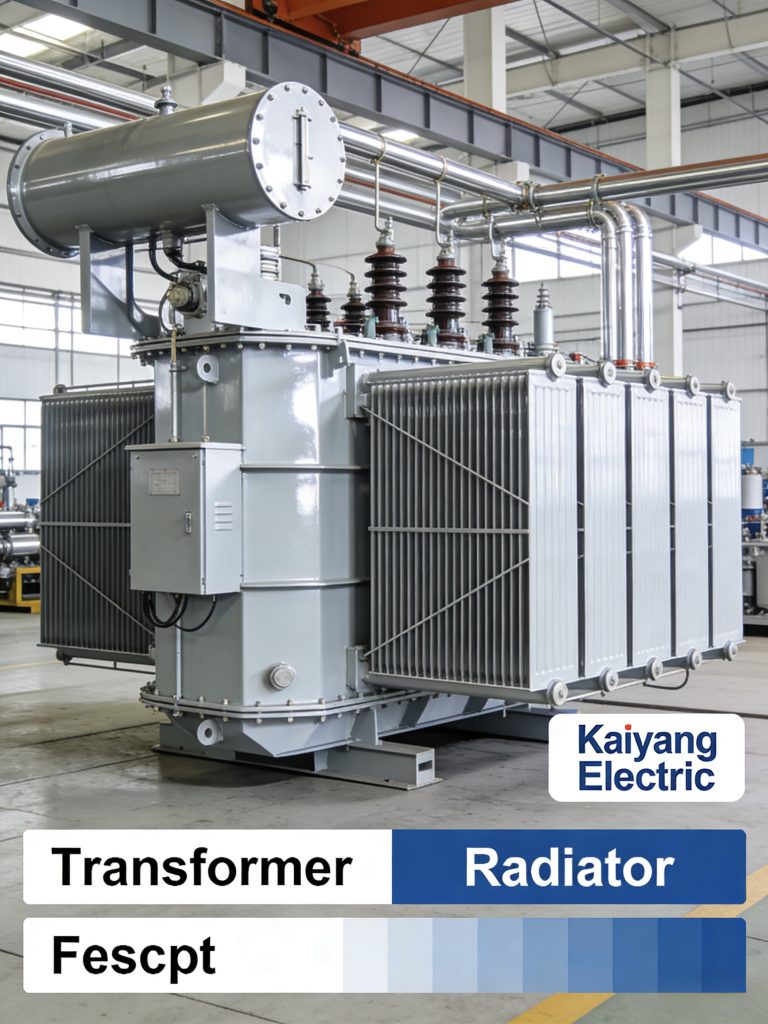
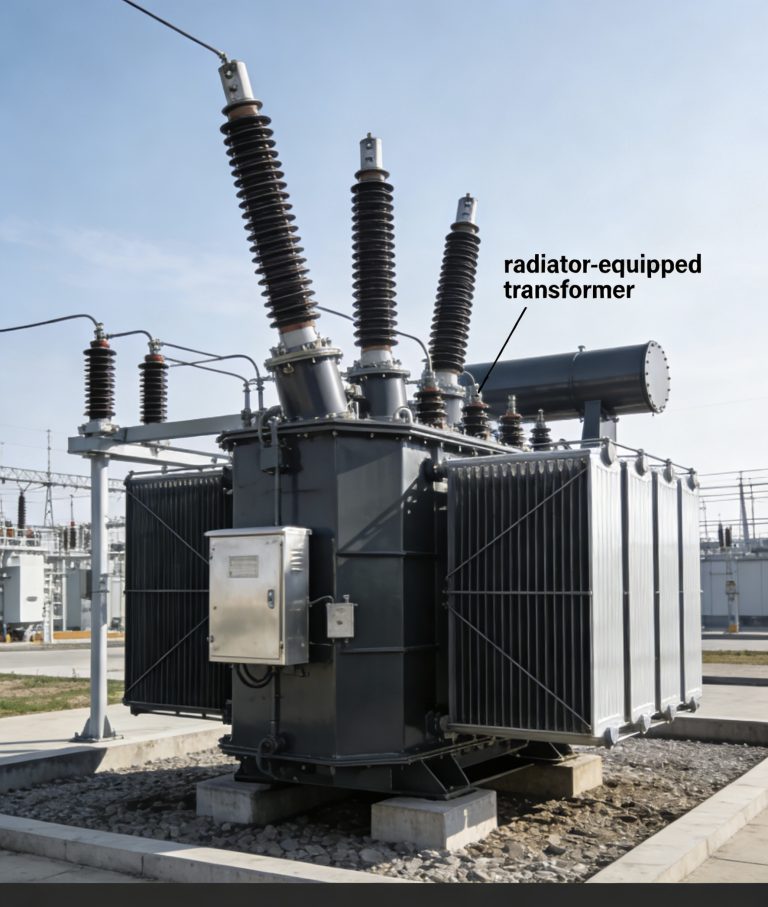
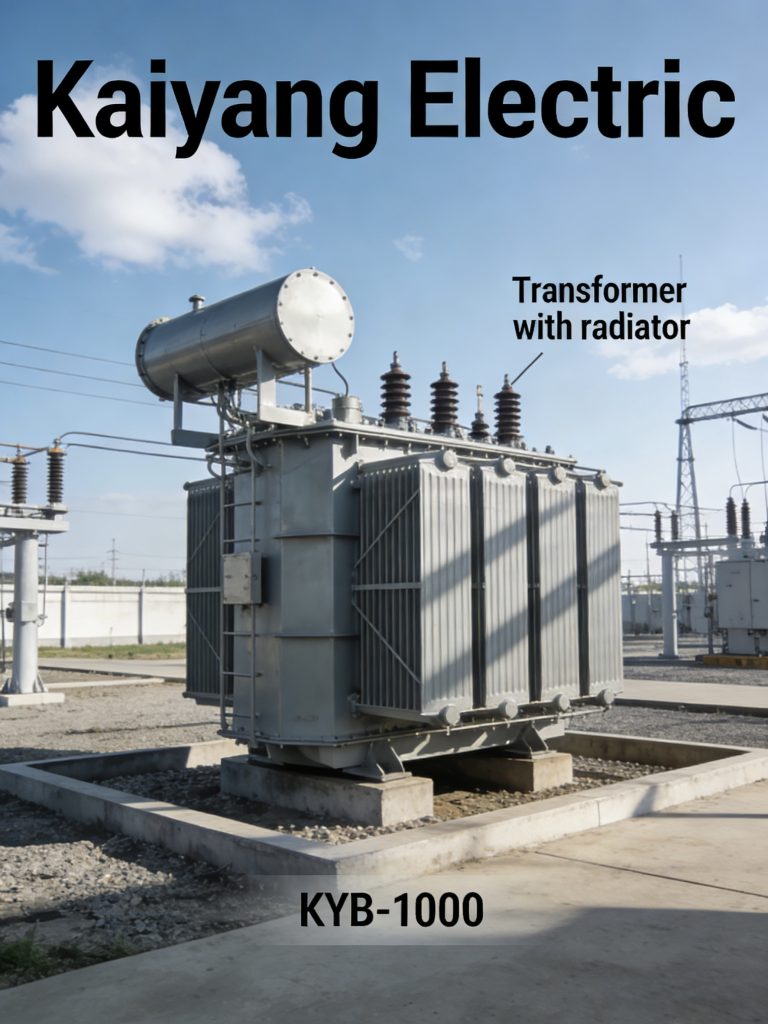
Transformer dimensions should not be assumed from another model or from a general product image.
For projects where equipment space has already been designed, dimensional coordination becomes part of the purchasing process. The equipment footprint, connection positions and surrounding installation space should be checked against the final technical drawing.
If the building or equipment room is still under design, it is better to coordinate these requirements before the civil or electrical layout becomes difficult to change.
If the site already exists, actual measurements should be verified before final approval.
Replacement Transformer Projects Need More Information
When a new transformer will replace existing equipment, the purchasing team should provide information about the current installation.
Useful information includes:
– Existing transformer nameplate information
– Existing equipment drawings
– Available installation space
– Existing connection positions
– Photographs of the installation area
– Project requirements that must remain unchanged
– Requirements that need to be modified
A replacement project should not automatically copy every parameter from the previous transformer. The current electrical system and project requirements still need to be verified.
What Should Buyers Compare Between Transformer Suppliers?
Comparing transformer suppliers only by total quotation value can create problems if the proposed configurations are not the same.
Before comparing prices, check whether each supplier is working from the same project information.
Supplier Comparison Checklist
– Is the required capacity the same?
– Are the primary and secondary voltage requirements the same?
– Is the proposed configuration based on the same application?
– Are installation conditions included in the evaluation?
– Are dimensions confirmed or still preliminary?
– Are connection requirements clearly defined?
– Are required project standards identified?
– Are drawings provided for technical confirmation?
– Are any specifications still subject to project-specific evaluation?
Only after the technical scope is reasonably aligned does the commercial comparison become more meaningful.
Common Mistakes When Ordering a Transformer
Providing only a transformer capacity
Capacity alone does not provide enough information to define the complete transformer requirement.
Copying specifications from another project
A transformer used successfully at another site may have different electrical or installation requirements.
Building around estimated dimensions
If equipment dimensions have not been technically confirmed, completing surrounding construction too early may create coordination problems.
Not identifying preliminary information
Buyers should clearly separate confirmed project requirements from values that are still being designed.
Comparing quotations with different technical scopes
A lower price does not necessarily represent the same equipment configuration. Technical requirements should be compared before the commercial decision.
What Information Should Be Prepared Before Requesting a Quote?
A structured inquiry can reduce repeated communication during transformer selection.
Before Ordering
– Required capacity
– Primary and secondary voltage
– Frequency
– Phase requirement
– Application
– Required quantity
– Installation location
– Available installation space
– Connection requirements
– Existing drawings
– Project standards, if specified
– Existing transformer information for replacement projects
– Target project schedule
If any item has not yet been finalized, indicate that it requires further confirmation.
FAQ
What information is most important when requesting a transformer quotation?
Buyers should provide the available electrical requirements, including capacity and voltage information, together with installation conditions, required quantity and project drawings where available.
Can I select a transformer using only the required capacity?
Capacity is only one part of the specification. Voltage requirements, installation conditions, connections and other project-specific requirements should also be confirmed.
Do transformer dimensions need to be confirmed before construction?
Where surrounding construction depends on equipment dimensions, the relevant values should be checked against the approved technical drawing before the site work is finalized.
Can I copy the specifications from an existing transformer?
Existing equipment data is useful as a reference, especially for replacement projects, but the current project requirements should still be verified.
What should I send if the project is still at the design stage?
Send the information currently available and identify preliminary values clearly. Electrical requirements, layout drawings and expected installation conditions can provide a useful starting point for technical discussion.
Conclusion
Transformer purchasing is more reliable when the project requirements are defined before the final commercial comparison. Electrical parameters, installation conditions, available space, connections and drawings should be reviewed together rather than treating the transformer as a standard item selected by capacity alone.
For a transformer inquiry with Kaiyang Electric, buyers can prepare the required electrical data, quantity, installation information and available project drawings. These materials give the technical team a clearer basis for configuration confirmation and quotation evaluation.