Panel Radiator for Transformers: What Buyers Should Confirm Before Ordering
A panel radiator is part of a transformer cooling project, but buyers should not treat it as a component that can be ordered correctly from an external photograph alone. Dimensions, connection arrangements, required cooling duty and the transformer interface all need to be coordinated before production.
This becomes particularly important for transformer manufacturers, replacement projects and customized power equipment. Two radiator assemblies that look similar may still have different project requirements.
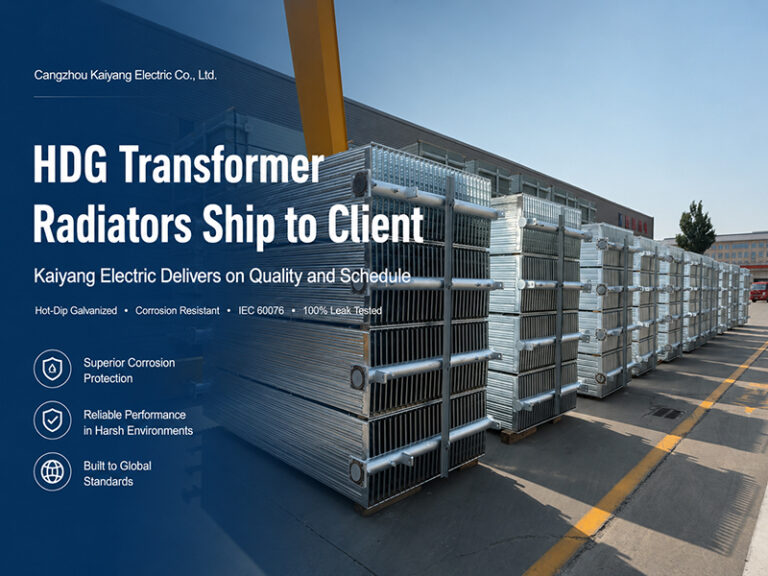
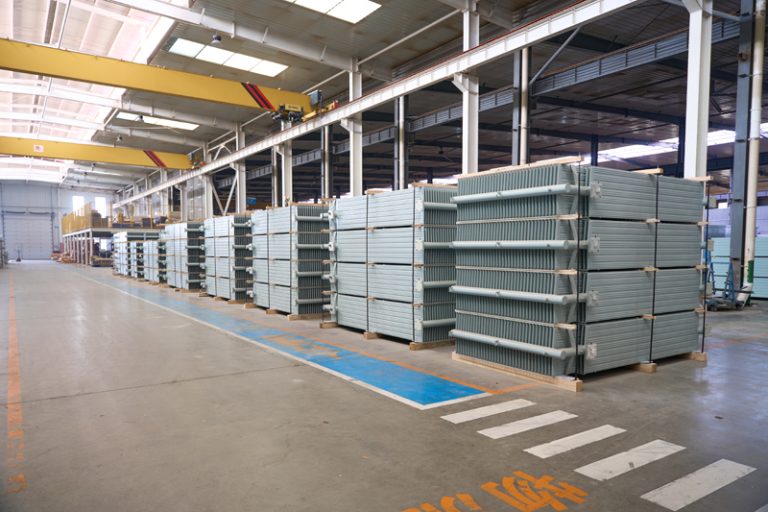
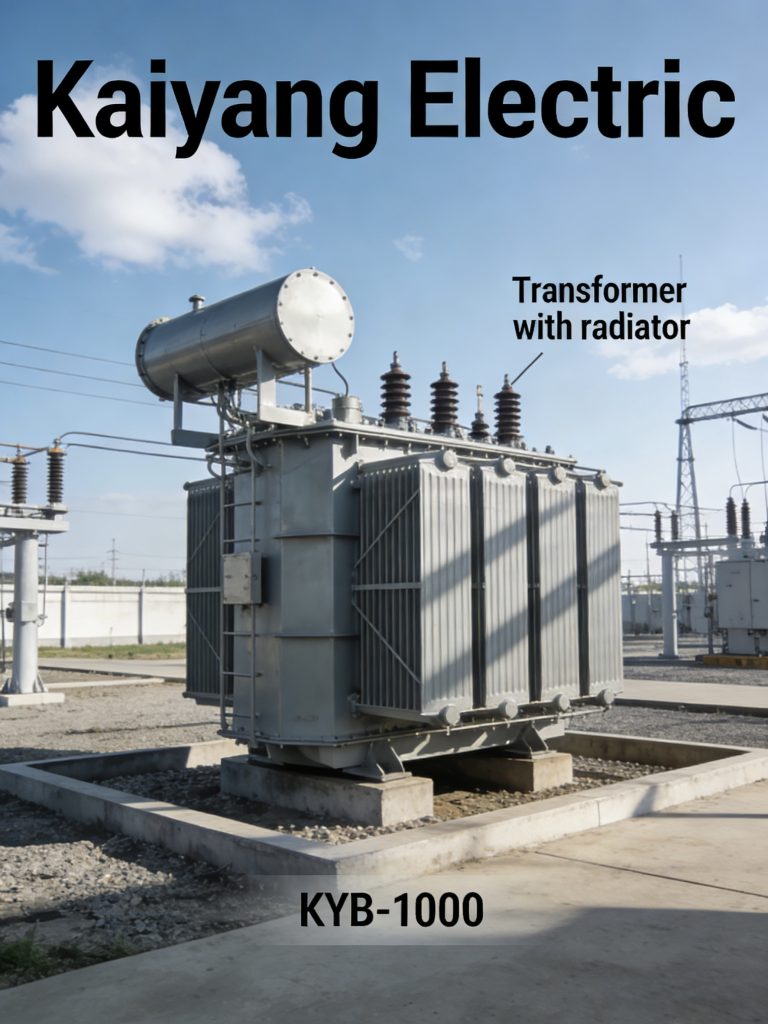
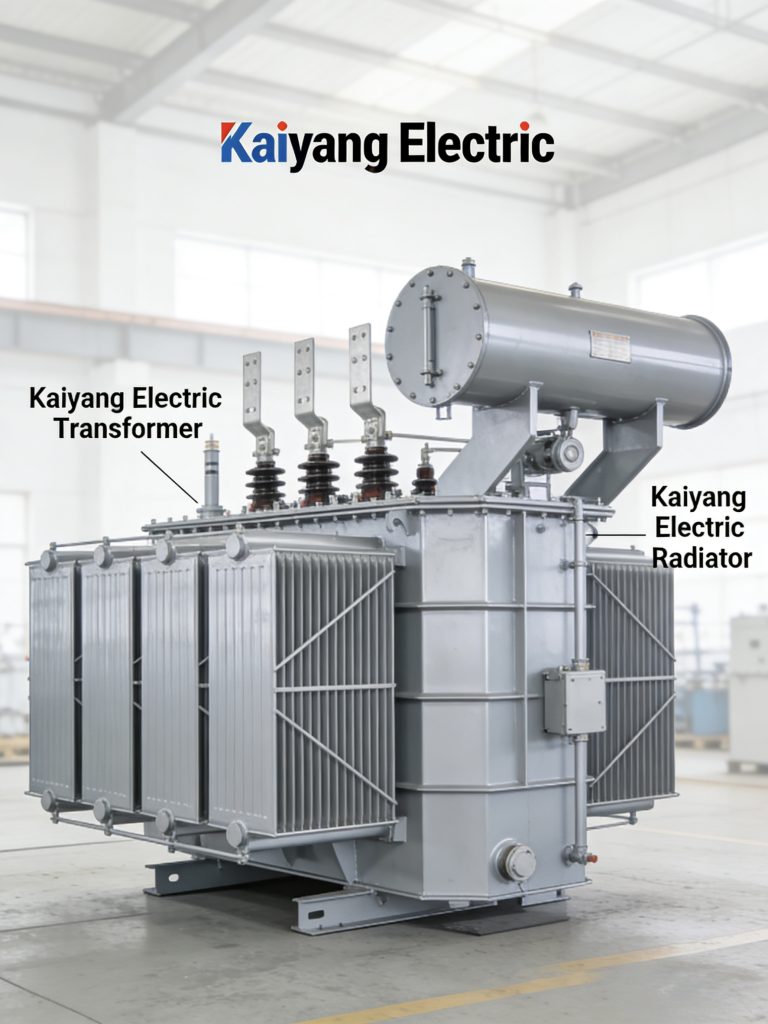
Kaiyang Electric manufactures transformer radiators as part of its power equipment business. When preparing an inquiry, buyers can reduce technical revisions by supplying the radiator requirements together with drawings and transformer interface information.
Begin with the Transformer Cooling Requirement
The purchasing process should start with the requirement that the panel radiator needs to satisfy in the transformer system.
If the project already has calculated cooling requirements, these should be provided to the supplier. If the cooling design has not yet been finalized, buyers should avoid selecting a radiator only from an image or an approximate size.
The technical team should evaluate the information available for the specific project.
Useful starting information may include:
– Transformer application
– Required radiator quantity
– Available cooling requirements
– Available radiator drawings
– Transformer interface drawing
– Installation arrangement
– Space restrictions
– Required connection positions
The final specification should be confirmed according to the transformer design.
Why Overall Dimensions Are Not Enough
Overall height and width are useful purchasing information, but they do not describe every interface requirement.
A panel radiator needs to fit the transformer arrangement and connect correctly with the associated equipment. Therefore, buyers should confirm not only the external dimensions but also the dimensions and positions that affect installation.
Dimension Checklist
– Overall dimensions
– Connection locations
– Relevant center distances
– Installation orientation
– Available clearance
– Mounting or interface requirements
– Quantity required for each transformer
– Drawing revision number
The exact dimensional requirements should be verified in the approved technical drawing.
For replacement radiators, actual site measurements and the existing radiator drawing can be particularly useful.
New Transformer Projects and Replacement Projects Require Different Preparation
For a new transformer project, radiator requirements can be coordinated with the transformer design before manufacturing begins.
In a replacement project, the available interface may already be fixed. This makes accurate measurement and documentation more important.
For replacement inquiries, buyers should consider providing:
– Existing radiator drawing
– Transformer drawing
– Photographs of the existing radiator
– Overall dimensions
– Connection dimensions
– Quantity
– Identification of damaged or replaced components
– Any site restrictions that cannot be changed
Do not assume that two radiators installed on transformers with similar ratings are interchangeable. The actual interface should be confirmed.
Surface Requirements Should Match the Project
The required surface treatment or material specification should be clearly stated when it is already defined by the project.
Buyers should not assume that one finish is suitable for every installation environment. If the project has corrosion, environmental or customer-specific requirements, those conditions should be included in the inquiry and evaluated for the selected product configuration.
Where the finish has not yet been specified, the buyer can provide the operating environment and ask the technical team to confirm the applicable option.
This is safer than selecting a surface treatment only from appearance.
Coordinate Connections Before Fabrication
Connection errors can create problems even when the main radiator dimensions are correct.
Before fabrication, the radiator drawing should be checked against the corresponding transformer connection arrangement.
Buyers should verify:
– Number of relevant connections
– Connection positions
– Interface dimensions
– Orientation
– Installation direction
– Any project-specific connection requirements
If the transformer design changes, the radiator drawing should also be reviewed before production proceeds.
What Should Transformer Manufacturers Include in an RFQ?
A clear request for quotation helps the radiator supplier understand whether the request is for a standard repeat order, a new design or a replacement component.
Panel Radiator RFQ Checklist
– Required quantity
– Transformer project information
– Cooling requirement where available
– Overall dimensions
– Connection details
– Technical drawing
– Surface requirement
– Installation environment
– Project schedule
– Any customer-specific requirements already defined
If several radiator configurations are required in the same project, separate drawings or clearly identified item numbers can reduce confusion.
How to Compare Panel Radiator Suppliers
Commercial comparison should begin after the buyer confirms that the suppliers are quoting against the same requirements.
Check whether each quotation is based on:
– The same drawing revision
– The same dimensions
– The same quantity
– The same interface requirements
– The same surface requirement
– The same project scope
– The same delivery requirement
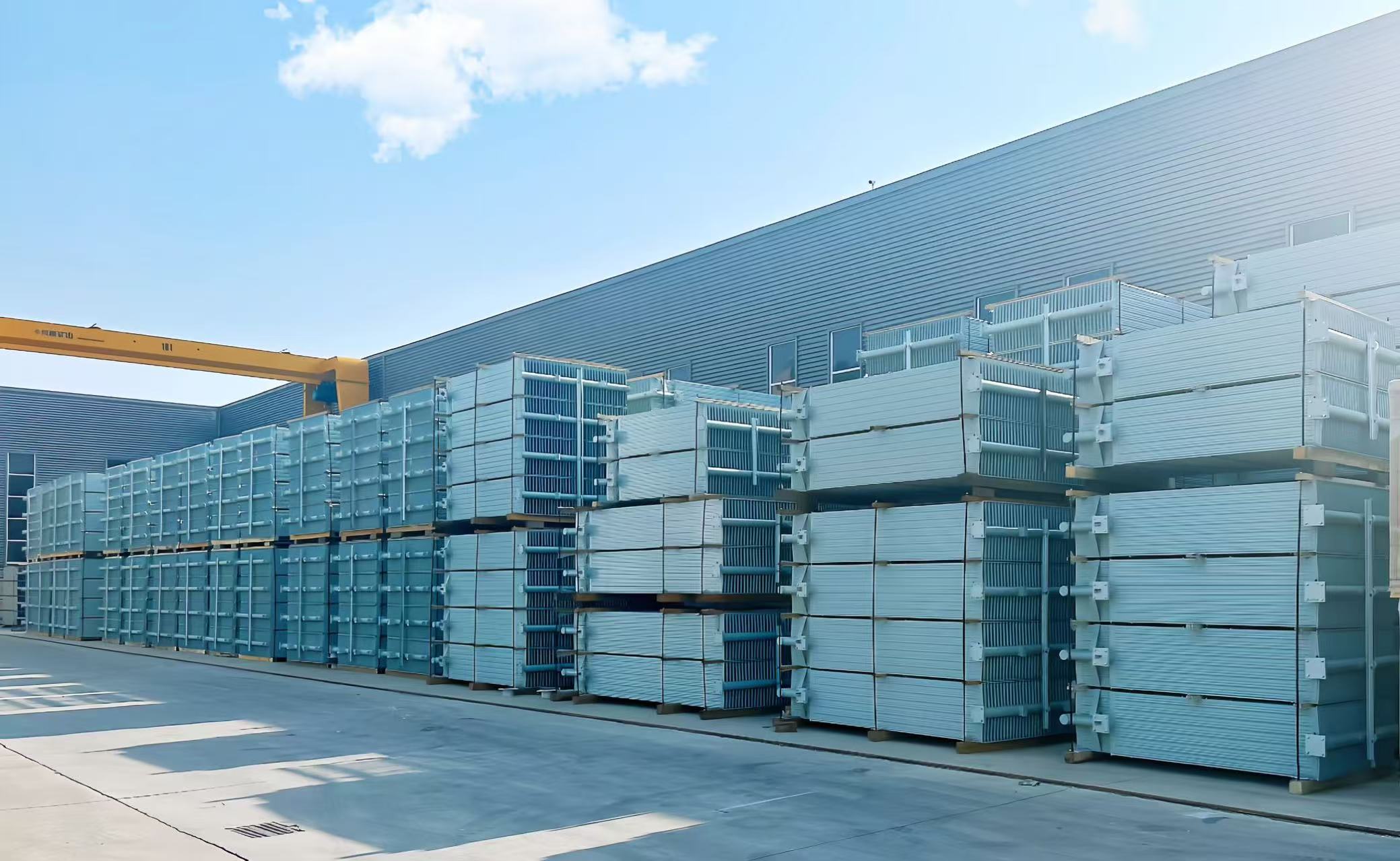
Kaiyang Electric states a daily production capacity of 150 tons and a lead time of 5–7 days in the company information provided for this project. For an individual radiator order, buyers should still confirm the applicable production and delivery schedule according to the actual quantity and technical requirements.
Common Mistakes When Ordering Panel Radiators
Ordering from a photograph
A photograph does not provide all dimensions, connection positions or project requirements needed for fabrication.
Using only overall dimensions
The radiator may still fail to match the transformer if important interface dimensions are missing.
Sending an outdated drawing
Always identify the current drawing revision before manufacturing begins.
Copying another transformer radiator specification
Similar transformer projects may use different interfaces or cooling arrangements.
Assuming a surface treatment without confirming the environment
Project-specific environmental requirements should be communicated before the finish is finalized.
Changing transformer connections without updating the radiator drawing
Related drawings need to remain coordinated throughout the project.
FAQ
What information is needed for a panel radiator quotation?
Buyers should provide quantity, available dimensions, connection information, technical drawings, cooling requirements where available and the required surface or operating environment.
Can a panel radiator be manufactured from a photograph?
A photograph can support communication, but it should not replace the technical dimensions and interface drawing required for final confirmation.
Can I use the dimensions from another transformer radiator?
Only after confirming that the transformer interface and project requirements are the same. Dimensions should not be copied automatically between projects.
What should I provide for a replacement radiator?
Provide the existing drawing if available, actual dimensions, connection details, photographs and information about the transformer interface.
When should the radiator drawing be approved?
The relevant drawing should be checked before fabrication, particularly when transformer dimensions or connection arrangements have changed.
Conclusion
Panel radiator purchasing depends on accurate coordination between the cooling requirement, radiator dimensions and transformer interface. Buyers can reduce rework by confirming drawings, connection positions, quantity, surface requirements and installation conditions before production.
For a panel radiator inquiry with Kaiyang Electric, prepare the current transformer or radiator drawings, required quantity, dimensions, interface details, project environment and cooling information already available. This gives the technical team a clearer basis for reviewing the requirement before quotation and fabrication.